
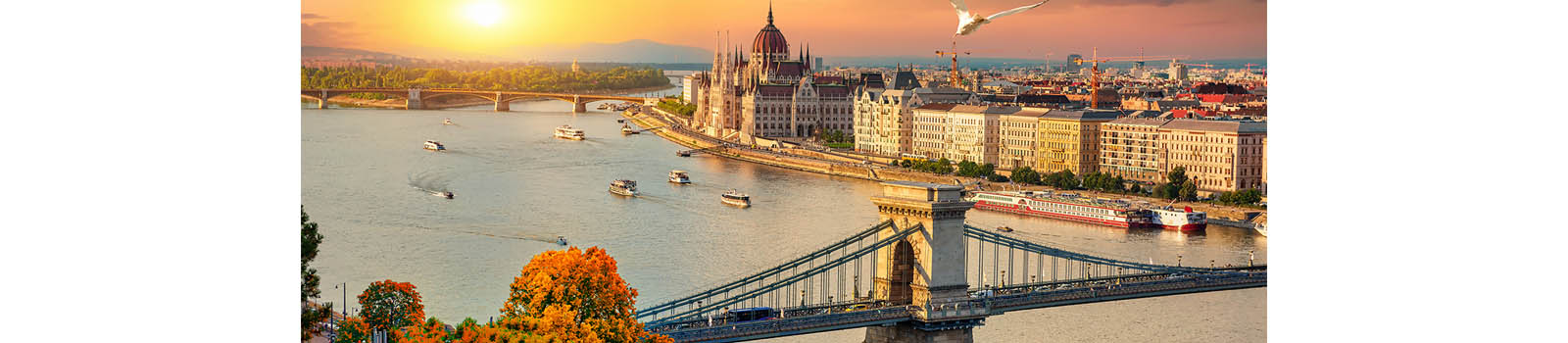
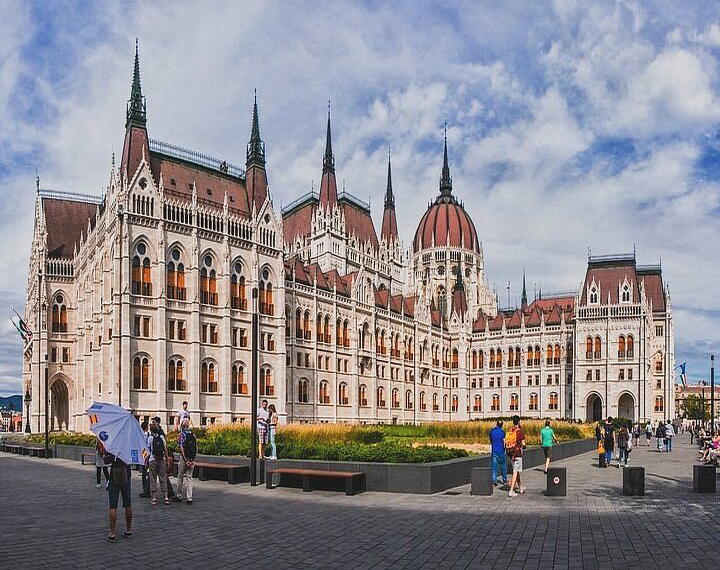
Kossuth Lajos Square, often referred to as the “Main Square of the Nation,” serves as the symbolic and political heart of Budapest. Located on the banks of the Danube in the Lipótváros neighborhood, this expansive public space is dominated by the breathtaking Hungarian Parliament Building, a Neo-Gothic masterpiece that defines the city’s riverfront skyline. The square underwent a comprehensive renovation in 2014, which transformed it into a pedestrian-friendly zone, replacing old traffic lanes with polished stone pavements and elegant green spaces that allow the monumental architecture to take center stage.
The perimeter of the square is lined with significant historical and cultural landmarks that tell the story of Hungary’s complex past. Directly facing the Parliament is the Museum of Ethnography, housed in a majestic Neo-Renaissance building, and the Ministry of Agriculture, which features a long, vaulted arcade. Dotted across the square are several poignant monuments, including the equestrian statue of Francis II Rákóczi and the Kossuth Memorial. Beneath the surface, the square also hosts a somber memorial to the 1956 Revolution, located in a former ventilation tunnel, providing a quiet space for reflection on the country’s struggle for democracy.
Beyond its political significance, Kossuth Lajos Square is a vibrant destination for both locals and travelers who come to witness the daily changing of the guard or to enjoy the views of the Buda Hills across the river. The atmosphere is one of grandiosity and order, yet it remains deeply integrated into the city’s daily life, serving as a primary stop for the iconic No. 2 tram line. Whether bathed in the golden light of sunset or illuminated by thousands of bulbs at night, the square remains a powerful testament to Hungarian national identity and one of the most photographed locations in Central Europe.



 Own or work here?