
Nestled beneath the suburban streets of Budapest’s Buda Hills, the Szemlő-hegyi Cave offers a fascinating glimpse into a subterranean world shaped not by rushing rivers, but by rising thermal waters. Unlike many caves known for jagged stalactites, this “underground flower garden” is famous for its unique mineral deposits, specifically the cauliflower-like formations and pea stones that adorn its walls. The cave’s atmosphere is remarkably pristine, characterized by high humidity and exceptionally clean, dust-free air. Because of these therapeutic qualities, parts of the cave system are even utilized for respiratory therapy, providing a natural sanctuary for those seeking relief from asthma and other bronchial conditions.
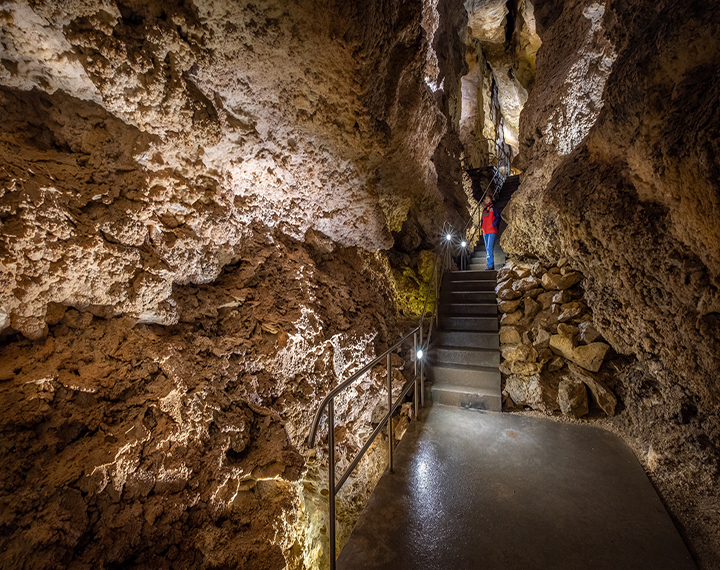
The guided tour through the cave is designed to be accessible and engaging, featuring a well-lit paved path that makes it one of the most visitor-friendly caves in Hungary. As you walk through the various chambers, the lighting highlights the intricate textures of the botryoidal crystals, which look almost organic in their rounded, bubbly shapes. The temperature remains a constant 12°C throughout the year, offering a cool escape during the humid Hungarian summers and a relatively mild experience in the winter. Knowledgeable guides often share stories of the cave’s discovery in 1930 and point out specific formations that resemble recognizable shapes, such as a bridge or various animals, sparking the imagination of visitors of all ages.
Beyond the geological wonders, the site serves as an educational hub with an interactive exhibition located at the entrance. This visitor center provides context on the thermal karst activity that created the entire Budapest cave system, which is one of the largest of its kind in the world. Visitors can learn about the history of Hungarian cave exploration and the delicate ecosystem that exists just meters below the city’s surface. Combining natural beauty with scientific intrigue, the Szemlő-hegyi Cave stands as a testament to the hidden geological treasures that lie directly beneath the bustling urban landscape of the Hungarian capital.



 Own or work here?