

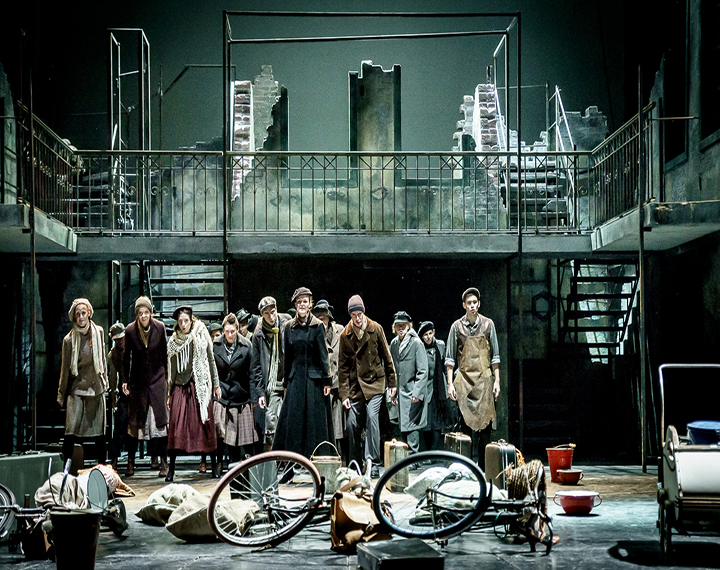
Experience the vibrant pulse of dramatic arts at this historic Budapest landmark. Located in the heart of the capital’s cultural district on Hevesi Sándor Square, this venerable institution serves as a cornerstone of Hungarian theatrical life. The building itself boasts a storied past, originally designed to host the finest performances of the era with an architectural elegance that remains captivating today. Stepping into the foyer, visitors are immediately enveloped by an atmosphere of creative ambition and historical weight, where generations of legendary actors have honed their craft under the spotlight.
The theater holds a unique place in the nation’s history, having functioned as the National Theater for many decades before reclaiming its original identity. This legacy is reflected in its diverse repertoire, which masterfully balances profound classical dramas with contemporary plays and family-oriented spectacles. It is widely recognized for its commitment to high-quality storytelling that resonates with modern audiences while honoring the linguistic and artistic traditions that define the Hungarian stage.
Culturally, the Pesti Magyar Színház acts as a vital bridge between the past and the future of performing arts. Its stage has witnessed the evolution of Hungarian drama from the romanticism of the nineteenth century to the experimental forms of the twenty-first. For the local community, it is more than just a venue; it is a living archive of the city’s intellectual spirit, frequently hosting educational programs and youth-focused initiatives that ensure the magic of live performance is passed down to new generations.
Tourists visiting the area will find the theater an essential stop for understanding the sophisticated urban fabric of Budapest. The surrounding neighborhood is filled with the energy of the “Pest side,” and the theater’s imposing facade serves as a brilliant orientation point for those exploring the city’s artistic soul. Even for those who do not speak the language, the sheer physicality of the performances and the grandeur of the auditorium provide a sensory experience that transcends linguistic barriers.
Attending a performance here is an invitation to witness the meticulous dedication of Hungarian set designers, costume creators, and directors. The interior design of the main hall ensures an intimate connection between the audience and the performers, making every soliloquy and every song feel like a personal confidence shared. It remains a shining example of how a historic space can continuously reinvent itself to remain relevant, exciting, and deeply moving in an ever-changing world.



 Own or work here?