

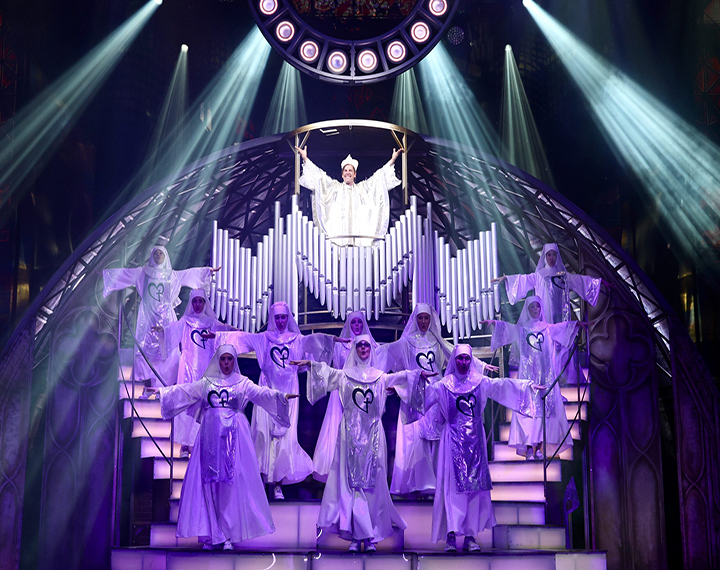
The Erkel Theatre, located in Budapest’s vibrant Józsefváros district, stands as Hungary’s largest theater building and serves as a cornerstone of the nation’s cultural landscape. Originally opened in 1911 as the People’s Opera, the venue was designed with a massive seating capacity to make high-quality performances accessible to the general public rather than just the elite. Over the decades, it has undergone several renovations and name changes, eventually being named after Ferenc Erkel, the father of Hungarian grand opera and the composer of the national anthem. Today, it functions as the second home of the Hungarian State Opera, providing a grand yet democratic atmosphere where the acoustics and sheer scale of the auditorium create a powerful connection between the performers and the audience.
The architectural spirit of the Erkel Theatre is defined by its functionalist and modern aesthetic, which sets it apart from the ornate, neo-Renaissance style of the main Opera House on Andrássy Avenue. Following a major reconstruction in the mid-20th century and a more recent modernization, the interior boasts a clean, spacious design that prioritizes visibility and sound quality. Its vast stage is equipped to handle the most demanding productions, from sweeping epic operas to intricate classical ballets and large-scale concerts. The theater’s minimalist foyer and large windows reflect a welcoming, open philosophy, inviting thousands of spectators to enjoy world-class art in a setting that feels both historic and contemporary.
Beyond its physical structure, the Erkel Theatre is cherished for its diverse and inclusive programming, which plays a vital role in maintaining the pulse of Budapest’s performing arts scene. Because it offers a higher seating capacity, it often serves as the primary venue for popular staples of the repertoire, ensuring that families, students, and tourists can secure tickets to legendary works. The theater has hosted a staggering array of international icons throughout its history, ranging from operatic legends like Luciano Pavarotti to modern musical pioneers. It remains a beloved institution where the grandeur of the past meets the energy of the present, serving as a testament to Budapest’s enduring love affair with the stage.



 Own or work here?