

A hidden Baroque sanctuary where the history of the capital meets the avant-garde within a majestic monastery. A captivating cultural institution located in the tranquil hills of Óbuda, housed within a magnificent eighteenth-century Trinitarian monastery and church complex. As a specialized branch of the Budapest History Museum, it serves a dual purpose, hosting both the Capital’s Gallery of modern art and a rich collection of local history artifacts. The building itself is an architectural marvel, featuring a grand, desanctified Baroque church hall that provides a dramatic and atmospheric stage for large-scale installations and historical exhibitions, bridging the gap between the city’s monastic past and its creative future.
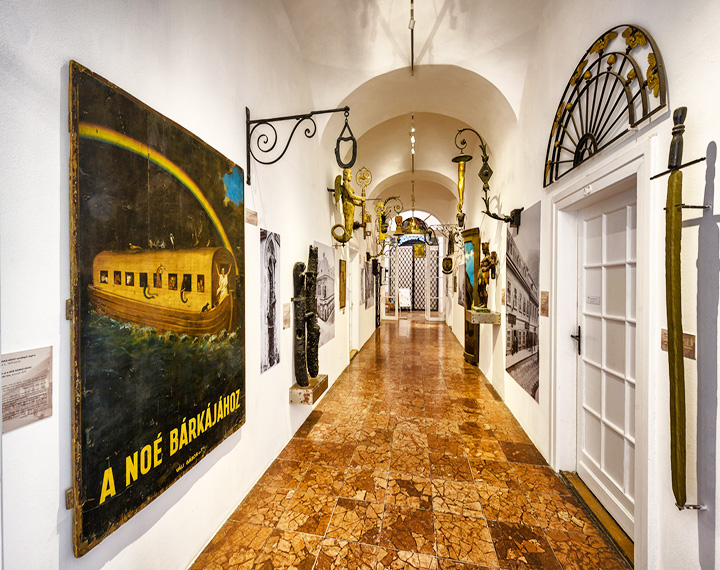
Features the spectacular “Church Space,” a raw and monumental brick hall with exceptional acoustics that hosts world-class contemporary art projects and classical concerts. Houses a unique collection of nineteenth-century shop interiors, including the original furniture of the historic Golden Lion Pharmacy and traditional printing presses. Displays a vast array of historical street signs, political posters, and rare photographs that document the urban and social transformation of Budapest over the last three centuries. Contains the Capital’s Gallery, which focuses on Hungarian painting and sculpture from the twentieth century to the present day, showcasing the evolution of national artistic expression.
Culturally, the museum acts as a guardian of the city’s collective memory, preserving the ephemeral details of everyday life alongside high art. The transition from the silent, vaulted corridors of the former monastery to the bold, experimental galleries reflects the resilient spirit of Budapest itself. It is a place of profound scholarly value, where the physical remains of the city’s industrial and commercial heritage are curated with the same reverence as fine art, offering a holistic cultural narrative that is both sophisticated and deeply rooted in the local landscape of District III. The permanent exhibition “The Public Square” recreates the feeling of old Pest and Buda through an immersive display of architectural fragments and historical curiosities.
Maintains a specialized collection of antique furniture and applied arts that illustrate the domestic luxury and craftsmanship of the Hungarian bourgeois era.
Acts as a vital venue for the Budapest Spring Festival and other major cultural events, utilizing its unique industrial-Baroque aesthetic to inspire modern audiences. For tourists, the museum offers a refreshing and evocative escape from the crowded city center, providing a peaceful environment for deep exploration and discovery. Its hilltop location is surrounded by a lush forest park, making the journey to the museum a scenic experience in its own right. Accessible via a short walk from the Bécsi Road tram terminus, the site rewards visitors with an authentic and hauntingly beautiful look at the layers of history that exist beneath the modern surface of the capital, making it a must-visit for those seeking the city’s hidden gems. Provides a spacious and contemplative environment where the vastness of the historical spaces allows for a personal and undisturbed engagement with the exhibits.
The museum shop features unique art catalogs, historical postcards, and artisanal gifts that celebrate the specific collections and the history of the Óbuda district. The surrounding Kiscelli Forest offers beautiful walking trails and hidden shrines, perfect for a post-museum stroll in the fresh air of the Buda hills.
The ambiance of the Kiscelli Museum is one of hushed grandeur and industrial mystery, where the scent of aged stone and the play of light through high windows create a timeless sanctuary. As you wander through the labyrinthine galleries, the contrast between the rough-hewn church walls and the polished artworks provides a sensory experience that is both grounding and uplif



 Own or work here?