

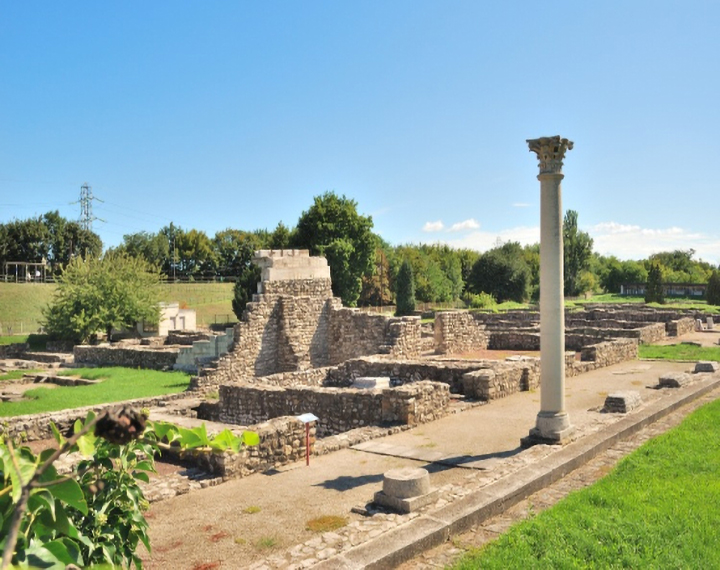
The Aquincum Museum is a sprawling archaeological park located in the northern part of the city, preserving the remains of the civilian quarter of the Roman town of Aquincum. Serving as the capital of the Roman province of Pannonia Inferior from the 2nd century AD, this site was once a thriving hub of 30,000 residents, complete with paved streets, heated villas, and grand public baths. Walking through the outdoor ruins allows visitors to trace the original layout of the city, where the stone thresholds and crumbled columns provide a tangible connection to the daily lives of the soldiers, merchants, and craftsmen who guarded the empire’s borders along the Danube.
The cultural atmosphere of the park is one of scholarly discovery blended with the serene beauty of an outdoor garden. Unlike the crowded imperial centers of Rome, Aquincum offers a quieter, more intimate look at how Roman civilization adapted to the frontiers of Central Europe. The site is a vital center for ongoing research, where archaeologists continue to uncover the layers of Celtic and Roman history that define the region’s heritage. Throughout the year, the ruins come alive with historical reenactments and the Floralia festival, celebrating the arrival of spring with traditional Roman costumes, crafts, and games that bring the ancient world into the present day.
For tourists, the museum offers a refreshing and educational escape from the urban center, providing a comprehensive look at the deep historical roots of Budapest. Accessible via the H5 suburban railway from Batthyány Square, the journey offers scenic views of the river and leads directly to the park gates. The site is exceptionally well-organized for self-guided exploration, with multi-language signage and interactive displays that make the complex history of the province accessible to all ages. It is an essential destination for history enthusiasts and anyone seeking to understand the foundation upon which the modern Hungarian capital was built.
* Provides an expansive, barrier-free outdoor area that is perfect for a leisurely stroll among the ancient ruins and shaded groves.
* The on-site shop offers high-quality replicas of Roman coins, jewelry, and academic publications that explore the archaeology of the Danube region.
* The facility is equipped with modern visitor amenities, including a cafe and educational spaces that regularly host workshops for children and students.
The ambiance at Aquincum is defined by a sense of enduring strength and quiet reflection, as the ancient limestone walls stand in stark contrast to the modern railway and bridges that now flank the site. As you wander past the foundations of the publi



 Own or work here?