

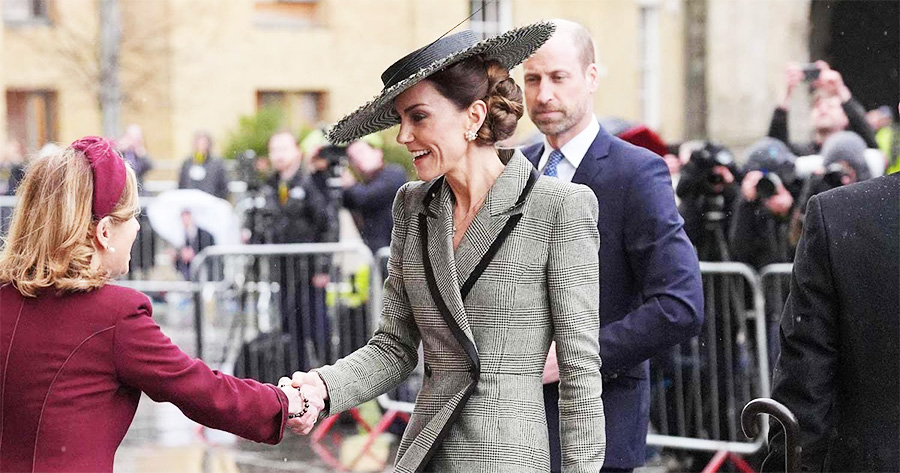
 TRH The Prince and Princess of Wales honour Dame Sarah Mullally at historic Archbishop enthronement defining a new era of faith
In a moment of profound national and spiritual significance, Prince William, Prince of Wales and Catherine, Princess of Wales gathered within the timeless setting of Canterbury Cathedral to witness the installation of Dame Sarah Mullally. Representing the King, they joined a congregation of around 2,000 guests for this historic occasion, marking the first time a woman has been installed as the most senior archbishop in the Church of England. Their presence reflected centuries of tradition, where the monarchy plays a visible role in affirming the spiritual leadership of the nation.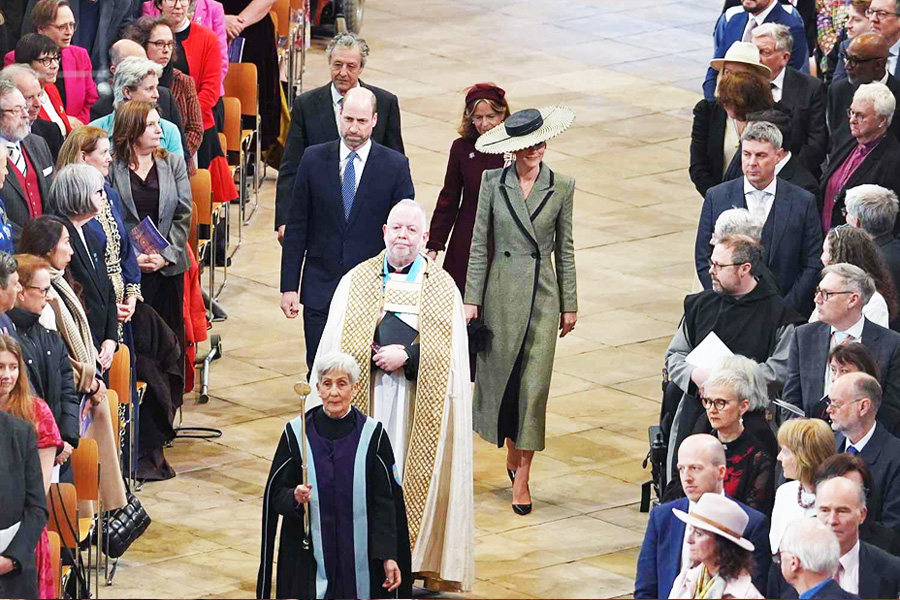
The participation of royalty in such ceremonies is deeply rooted in history. Since the English Reformation, when the monarch became Supreme Governor of the Church of England, it has been customary for the Sovereign—or more often the heir to the throne—to attend the enthronement of a new Archbishop of Canterbury. This tradition has unfolded repeatedly within Canterbury Cathedral, including modern installations such as that of Justin Welby in 2013, attended by senior members of the Royal Family. The role of the monarchy is not to appoint during the ceremony itself, but to symbolically affirm the unity between Crown and Church at a moment of transition and continuity.
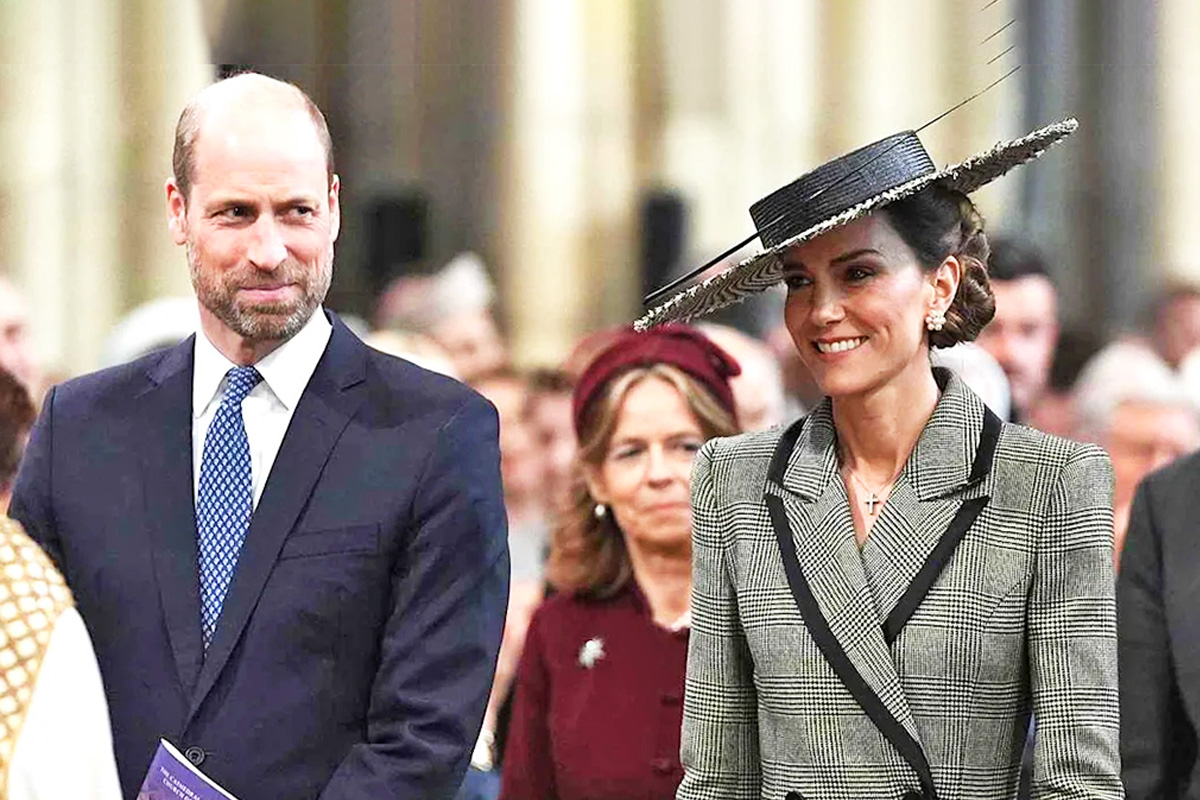 Upon arrival, the Prince and Princess of Wales were received by the Lord Lieutenant of Kent, Lady Colgrain, before being welcomed by the Dean of Canterbury, the Very Reverend David Monteith, and introduced to members of the clergy. As the congregation rose—including Keir Starmer—they processed side by side through the Nave to their seats in the Quire, accompanied by a royal fanfare. The Princess of Wales, wearing a refined grey Suzannah coat and a wide-brimmed Juliette Botterill hat, brought a composed elegance to the occasion, even as winds swept across the cathedral precinct.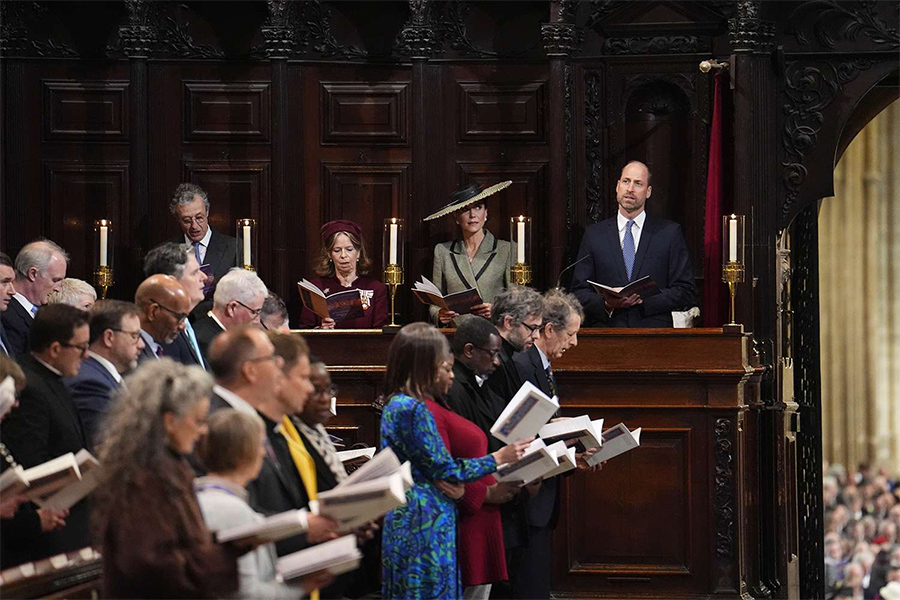
The service itself was rich in symbolism, with a full cathedral choir filling the sacred space with choral music rather than traditional carol singing. Ancient prayers, sacred hymns, and carefully preserved rituals unfolded beneath the cathedral’s soaring arches, witnessed by clergy, public figures, and representatives from across national life. This was a ceremony grounded in over a thousand years of tradition, yet alive with the sense of a Church stepping into a broader and more inclusive future. Dame Sarah Mullally’s journey to becoming Archbishop reflects a life defined by service, leadership, and compassion. From her early career in nursing to her role as Chief Nursing Officer for England, she shaped healthcare with authority and empathy. Her path into ordained ministry led her to serve as Bishop of Crediton and later Bishop of London, where she earned respect for her thoughtful leadership and inclusive vision. Her installation as Archbishop stands not only as a personal milestone, but as a powerful signal of the Church’s evolution.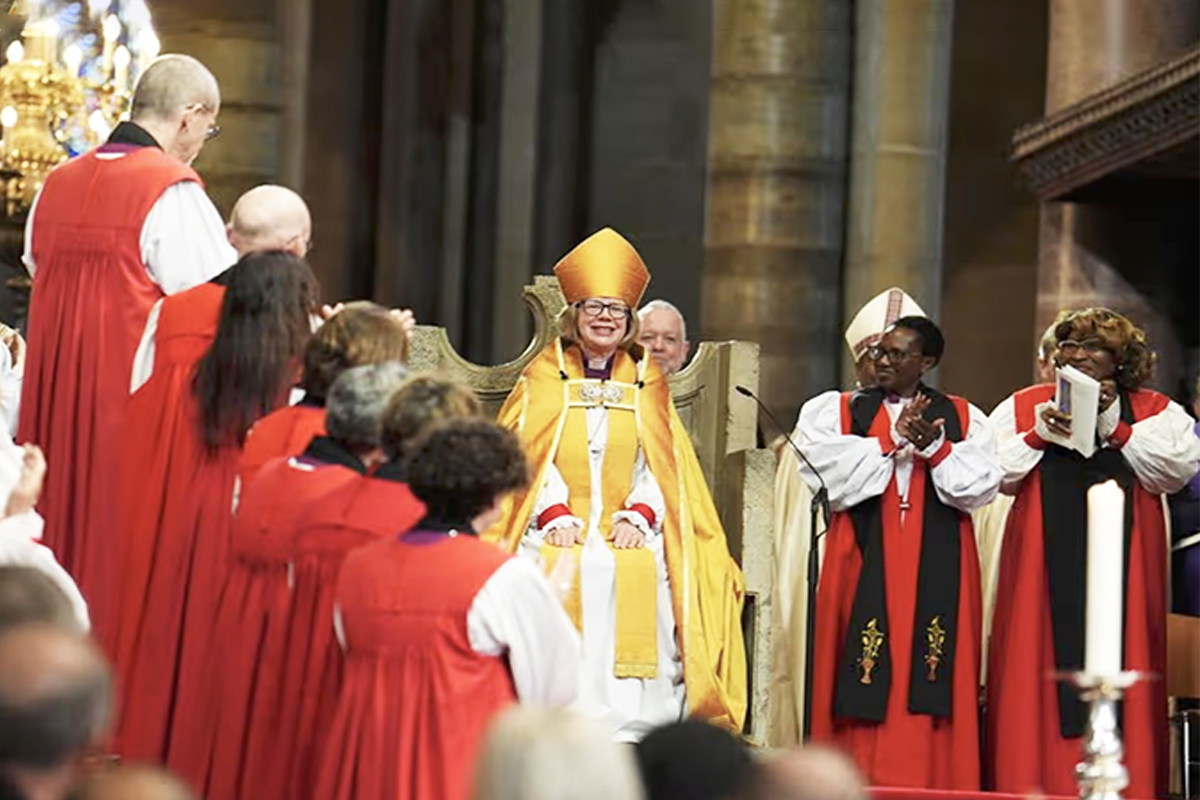
Above all, this historic day carried deep symbolism for both the Church and the nation. The presence of their Royal Highnesses the Prince and Princess of Wales affirmed the enduring bond between Crown and Christianity, a relationship rooted in history yet evolving with the times. Their role, representing the Sovereign, underscored continuity, unity, and a shared guardianship of faith within public life. At the same time, Dame Sarah Mullally’s enthronement signalled a transformative chapter—where tradition and progress meet—offering a powerful message of inclusivity, renewal, and hope for the future of the Church and the wider Christian world.
