

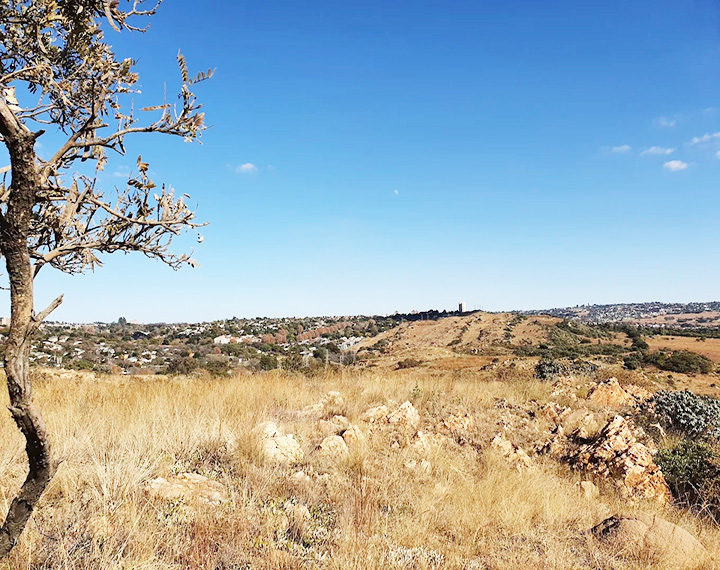
Melville Koppies Nature Reserve, nestled in the heart of Johannesburg, offers a unique blend of natural beauty and rich history, making it a cherished destination for both locals and visitors. Established in 1959 and declared a national monument in 1968, the reserve stands as a testament to the city’s commitment to preserving its heritage. Spanning approximately 42.93 hectares, it is the last conserved remnant of Johannesburg’s ridges as they were before the discovery of gold in 1886. The geological significance of Melville Koppies is profound, with its quartzite ridges dating back over three billion years. These ancient formations offer visitors a glimpse into the Earth’s distant past. Archaeological findings within the reserve reveal that Early Stone Age humans camped here as long as 500,000 years ago, leaving behind tools and evidence of their existence. Later, during the Iron Age, the area was inhabited by Sotho/Tswana people, and remnants of their kraal walls can still be found on the northern slopes.
Culturally, Melville Koppies serves as a living museum, offering visitors a tangible connection to Johannesburg’s early inhabitants. Guided tours provide insights into the flora, fauna, and history of the area, enriching the visitor experience. The reserve’s commitment to conservation and education has been recognized, with the Friends of Melville Koppies receiving the Golden Shield Heritage Award in 2023 for their efforts in preserving the site’s natural and cultural heritage. Touristically, Melville Koppies offers a peaceful escape from the urban hustle. Visitors can enjoy well-marked trails suitable for various fitness levels, making it an ideal spot for hiking, birdwatching, and photography. The panoramic views from the top of the koppies provide a stunning backdrop of the city, especially during the jacaranda bloom season. The reserve’s accessibility, combined with its rich history and natural beauty, makes it a must-visit destination for those seeking to experience Johannesburg’s heritage in a serene setting.



 Own or work here?