

Dive into a fascinating and slightly off-the-beaten-path cultural experience at the Beijing Police Museum, a unique institution that charts the history of law enforcement in the capital from the imperial era right up to modern day. The museum itself is housed in a beautifully preserved piece of history: the former Citibank Beijing branch, an imposing example of colonial-era Western architecture situated in the historic Dongjiaominxiang Foreign Legation Quarter. This very location, once a focal point of diplomatic and foreign influence, adds a compelling layer of historical context to the exhibits within, immediately setting the stage for a journey through over 2,000 years of policing, with artifacts dating as far back as the Han Dynasty. The contrast between the building’s Western exterior and the distinctly Chinese narrative of law and order it now contains makes for a particularly intriguing study in Beijing’s tumultuous modern history.
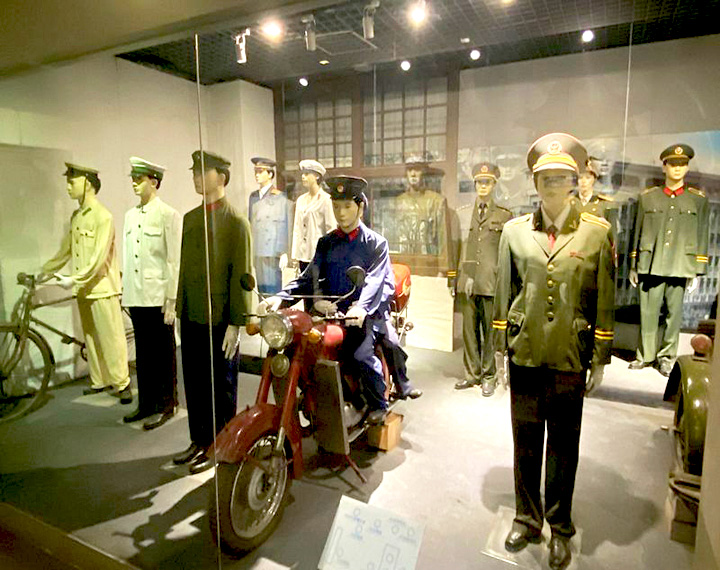
The four-story layout organizes the historical narrative thematically, providing a deep dive into the evolution of the Beijing Public Security Bureau. The lower floors typically focus on the historical chronology, displaying rare relics like the salute guns used at the founding ceremony of the PRC and precious documents from the early days of the Communist-led police force, offering a perspective on the police’s identity and role during the various political movements of the 20th century. Visitors can trace the dramatic changes in police uniforms, from the earliest functional designs to modern tactical gear, providing a material history of an evolving state apparatus. A particularly poignant and culturally significant exhibit is the ‘Column to the Spirit of the Police,’ a massive, six-meter-high stone stele in the vestibule that pays tribute to the dedication and sacrifice of police officers.
For the modern tourist, the Beijing Police Museum offers an engaging and often surprisingly high-tech experience, distinguishing it from more staid historical exhibits. Beyond the traditional displays of over 7,000 artifacts—including weapons, forensic tools, and criminal case relics—the museum incorporates interactive elements such as simulated driving, shooting, and fire-escape training devices, making the subject matter tangible and exciting, especially for younger visitors. The upper floors delve into criminal investigation techniques and police equipment, including an extensive armory that displays a wide variety of firearms, some of which are surprisingly quirky. It is a rewarding visit for those with an interest in forensic science, military history, or simply a desire to see a quieter, less-trafficked side of Beijing’s monumental history, all for a very modest entrance fee, making it a hidden gem for the curious traveler.



 Own or work here?