

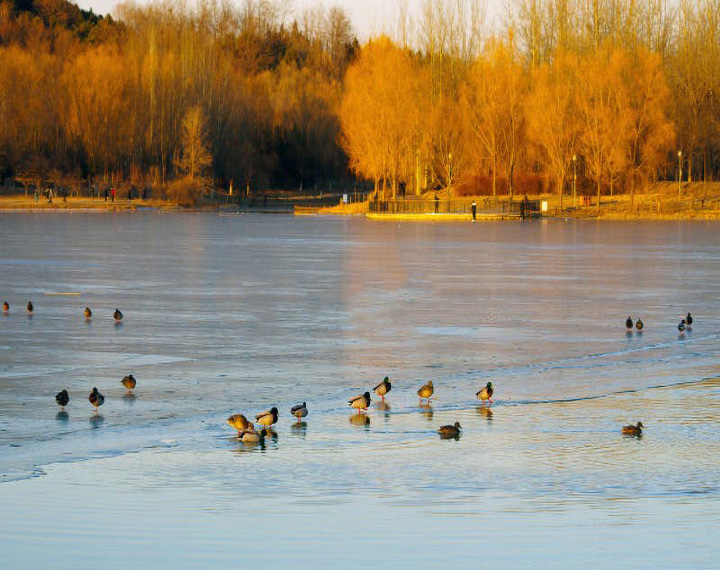
Aohai in Beijing is a serene and picturesque area that captures the tranquil beauty of the city’s water landscapes while offering visitors a glimpse into its cultural and social life. Known for its scenic waterways, lush greenery, and calm environment, Aohai provides a peaceful escape from the bustle of the urban center. Walking along its banks, visitors can admire traditional Chinese landscaping principles, where water, flora, and architecture are harmoniously balanced, creating a setting that is both visually soothing and culturally evocative. The area often features small pavilions, bridges, and carefully designed walking paths that encourage leisurely exploration and reflection.
Historically, Aohai has been an integral part of Beijing’s approach to urban water management and garden design, reflecting centuries of attention to harmony between nature and human habitation. Its development showcases traditional Chinese concepts of Feng Shui, where waterways are not only aesthetic features but also symbolic elements representing prosperity, flow, and balance. Over time, Aohai has evolved into a public space that combines historical sensibilities with contemporary leisure activities, demonstrating the city’s ability to preserve cultural heritage while adapting to modern urban life. The area often attracts locals and scholars interested in the intersection of environmental design, cultural symbolism, and historical continuity.
For tourists, Aohai offers a refreshing and contemplative experience. Visitors can stroll along the waterfront, enjoy boat rides, and capture the interplay of natural light and architectural details in photographs. The calm environment makes it an ideal spot for relaxation, cultural appreciation, and quiet observation of daily life in Beijing. Beyond its visual charm, Aohai provides insight into the city’s historical relationship with water, landscape, and public space, making it a meaningful destination for those seeking both natural beauty and a deeper understanding of Beijing’s cultural and historical layers.



 Own or work here?