

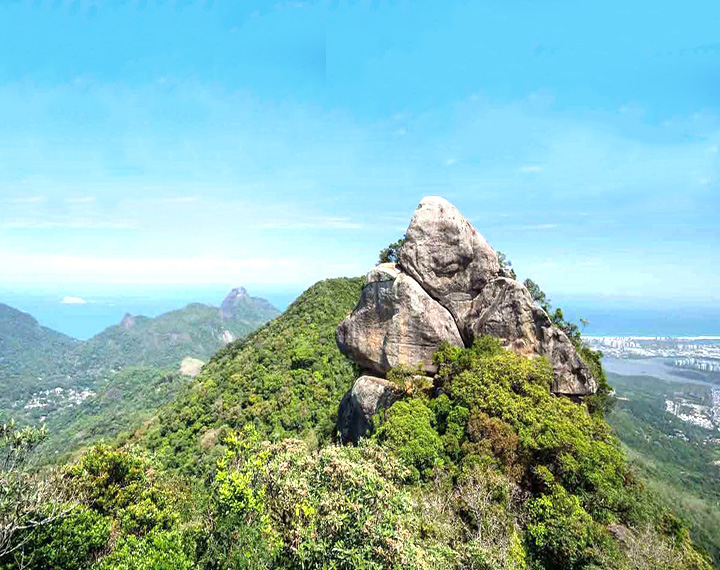
This isn’t just a park; it’s the largest urban forest in the world! As a true rainforest within the city limits, it is by far the most visited park in Brazil, attracting over 4.6 million visitors in 2024. Its sheer size and incredible biodiversity make it a top destination. You can hike to the iconic Christ the Redeemer statue at the peak of Corcovado Mountain, explore waterfalls, climb trails like Pedra Bonita, and enjoy panoramic viewpoints like Vista Chinesa. It’s a natural wonder that literally defines the landscape of the city. As one of the world’s largest urban forests, this park is an incredible green oasis. It’s a fantastic place for hiking, spotting wildlife, and exploring the lush, tropical scenery—and it’s the home of Christ the Redeemer.
As one of the world’s largest urban forests, Tijuca National Park is an extraordinary ecological marvel. This dense Atlantic Forest, covering a large part of the city, serves as the green lungs of Rio and is a vital habitat for a diverse range of flora and fauna, including monkeys, toucans, and butterflies. The park’s well-maintained trails and roads lead to stunning waterfalls, scenic viewpoints, and a sense of peaceful serenity that feels a world away from the bustling city below. It’s the perfect place for hiking, birdwatching, and escaping into nature’s embrace.
Culturally and historically, the park’s story is one of conservation triumph. Originally cleared for coffee plantations in the 19th century, it was re-planted by Emperor Dom Pedro II in one of the world’s first major reforestation efforts. This monumental project, which took decades, highlights a deep-seated respect for nature and is a testament to what dedicated human intervention can accomplish. Beyond its ecological importance, the park is home to many iconic spots, including Christ the Redeemer, offering a unique blend of natural and man-made wonders.



 Own or work here?