

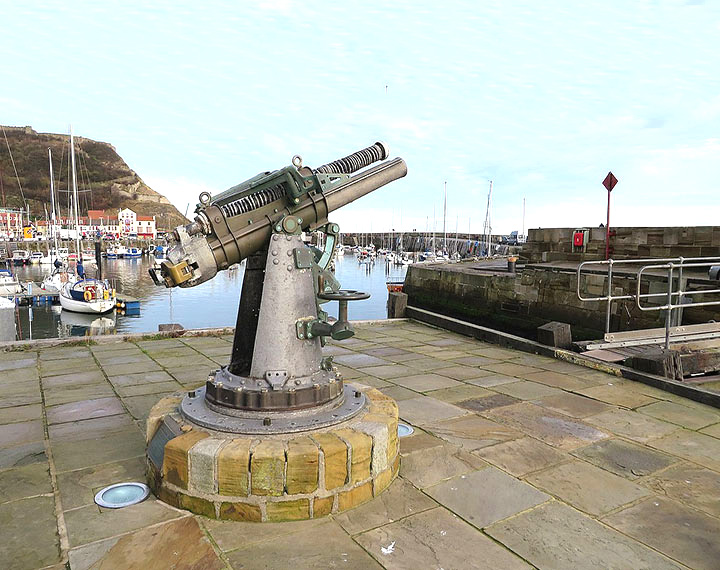
The Ordnance QF 13-pounder gun was a British artillery piece primarily developed in 1904. It was designed to be a rapid-firing and highly mobile field gun, intended for the Royal Horse Artillery (RHA) to support cavalry brigades. Here are some thrilling facts about this remarkable weapon:
Quick-Firing Power: The “QF” in its name stands for “Quick-Firing.” This was a revolutionary concept borrowed from naval gunnery, where the shell and propellant charge were combined into a single cartridge. This allowed for incredibly fast reloading compared to older artillery pieces, significantly increasing the rate of fire on the battlefield!
A Light but Mighty Gun: It fired a shell weighing approximately 12.5 pounds (5.7 kg) and had a bore of 3 inches (76.2 mm). Despite its relatively light weight (around 1,014 kg including its carriage), it was capable of firing shrapnel shells up to a range of about 5,900 yards (5,400 meters).
The Workhorse of the RHA: At the outbreak of World War I, the 13-pdr was the standard field gun for the Royal Horse Artillery. Its mobility made it invaluable during the early, more fluid phases of the war, as it could be rapidly deployed to support cavalry movements.
Adaptability and Evolution: As the war progressed and trench warfare set in, its limited range and the stopping power of its shrapnel shells proved less effective against fortified positions. However, its design was adapted! Some 13-pdrs were notably converted into anti-aircraft (AA) guns, with modifications allowing for high-angle fire to target early enemy aircraft. There were even heavier versions, like the “13-pdr 9 cwt,” which used an 18-pdr barrel sleeved down to fire the 13-pdr shell but with a larger charge for higher velocity and altitude! Ceremonial Duty: Remarkably, some original 13-pdr guns are still in service today with The King’s Troop, Royal Horse Artillery! You can see these magnificent historical pieces in action during ceremonial duties, such as the firing of royal salutes – a truly grand sight!



 Own or work here?