

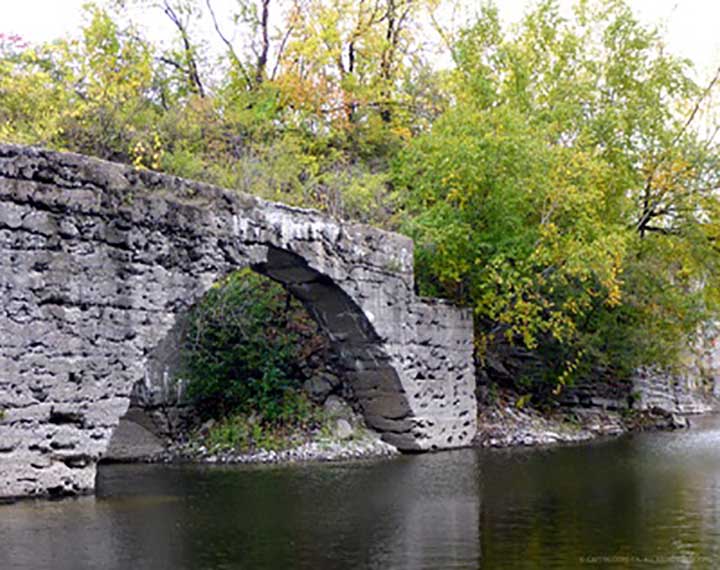
Echoes of industrial heritage in Ottawa’s evolving urban landscape. The Groundmill Pulp Mill, once a vital part of Ottawa’s industrial history, was situated on Chaudière Island, a site rich in both Indigenous and European settler heritage. Established in the 19th century, the mill harnessed the power of the Chaudière Falls to produce pulp, contributing significantly to the region’s economy. The mill’s infrastructure included stone arches and hydro tunnels, remnants of which are still visible today. These features were part of a raised log flume canal system that directed water to a dam, distributing it among various channels to power the mill .
Despite its historical significance, the Groundmill Pulp Mill was demolished in 2012, marking the end of an era for this piece of Ottawa’s industrial past. The site has since been repurposed, with development plans for the area, including potential condominium projects, indicating a shift towards modern urbanization. However, the legacy of the mill endures through its physical remnants and the stories of those who worked there.
Today, the site of the former Groundmill Pulp Mill stands as a testament to Ottawa’s industrial heritage, offering a glimpse into the past amidst the city’s evolving landscape. While access to the area may be limited due to safety concerns and ongoing development, the historical significance of the site remains an integral part of Ottawa’s narrative.



 Own or work here?