


A European Adventure Begins from the Nordic fjords to the grandest stages of Europe — United are on the move.
This summer, Manchester United embark on one of the most Exciting and beautifully conceived pre-season tours in recent memory — a triumphant sweep across Europe that will bring the Theatre of Dreams to passionate supporters in Finland, Norway, Sweden, and Ireland before the serious business of a historic 2026-27 campaign begins. In a thoughtful departure from the American tours of recent years, the club has chosen to hold its preparations entirely in Europe — connecting with a vast and devoted fanbase across the continent and building the collective unity that only a well-travelled pre-season can deliver. Director of Football Jason Wilcox captured the spirit perfectly: “We have the best fans in the world, and this schedule gives us a great opportunity to connect with our supporters across Europe. We’re really looking forward to getting out there and putting in the hard work ahead of a big season.”
The tour opens on Saturday the 18th of July in Helsinki, Finland, where United face Wrexham, before travelling to the breathtaking Norwegian city of Trondheim to face Rosenborg on Friday the 24th of July — a city deeply familiar to United supporters, having hosted the Red Devils on multiple occasions since 2019, and a fixture that promises a magnificent atmosphere in one of Scandinavia’s most beautifully situated grounds.
The tour then builds to the Snapdragon Cup in Stockholm, Sweden, on Saturday the 1st of August, where United take on Atletico de Madrid — a clash of two of European football’s most storied clubs in one of the continent’s great sporting capitals. Stockholm holds deep significance for United supporters — it was here that José Mourinho’s Reds lifted the UEFA Europa League trophy in 2017. Then comes the most spectacular fixture of the summer — the opening match of Tour 2026, presented by Snapdragon, at the magnificent Ullevi Stadium in Gothenburg on Saturday the 8th of August, where United face reigning European champions Paris Saint-Germain — a blockbuster encounter between two of the most celebrated clubs in world football.
The tour reaches its finale on Wednesday the 12th of August in Dublin, Ireland, where the Reds face Leeds United — a city that holds a uniquely warm place in the heart of Manchester United, having hosted the club in 2017 and 2023 — before the squad returns to Old Trafford to prepare for a Premier League campaign that, after the glories of 2025-26, carries with it the hopes, dreams, and unshakeable belief of the most passionate fanbase in world football. Five fixtures, five extraordinary cities, and one unmistakable message to the world — Manchester United are back, and they are only just getting started.
The Theatre of Dreams — where history, courage, and greatness forever unite.
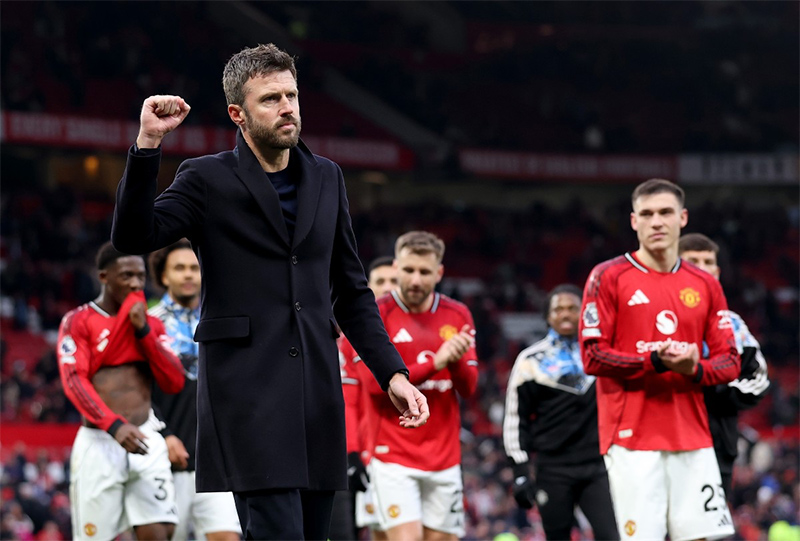
In a season that demanded everything of everyone who wears the badge, Manchester United have delivered one of the most stirring and joyful sporting recoveries in recent memory. United have secured third place in the Premier League and UEFA Champions League qualification — a result that, given the turbulence of the campaign’s opening months, stands as a testament to character, resilience, and the enduring power of this extraordinary club. Michael Carrick, the former United midfield titan who answered the call when his club needed him most, has been nominated for Manager of the Year — and few who witnessed the transformation he wrought at Carrington would argue against it. Bruno Fernandes, captain and heartbeat of this team, was awarded the Football Writers’ Association Player of the Season, and in doing so equalled the all-time Premier League assist record with a breathtaking 20 assists — a statistic that speaks not merely to his talent, but to his vision, generosity of spirit, and absolute refusal to be anything less than extraordinary in a Manchester United shirt.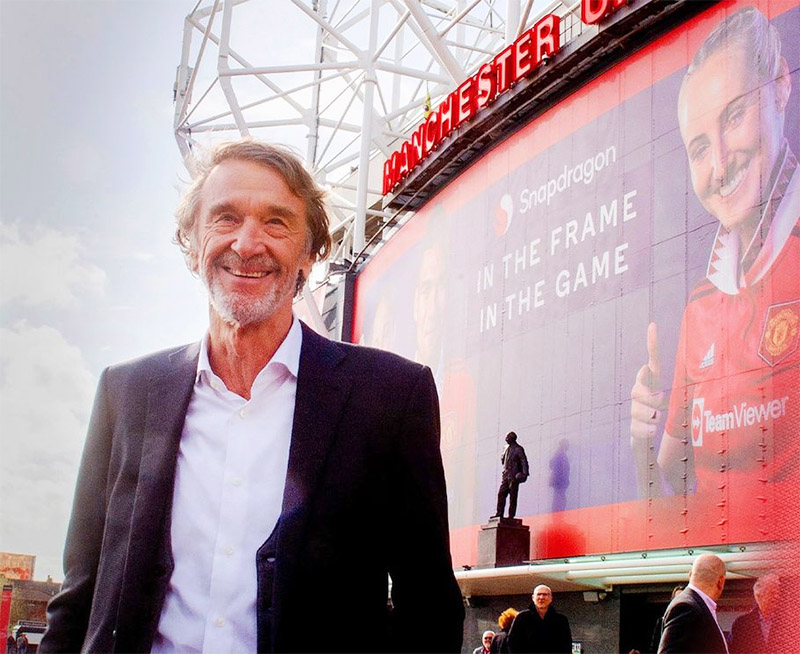
At the very foundation of this season’s renaissance stands a man whose love of Manchester United runs deeper than balance sheets and boardrooms — Sir Jim Ratcliffe, born on a council estate in Failsworth on the edge of Manchester, a boyhood Red who returned to the club of his heart with the full force of his extraordinary vision and invested $300 million into the club’s infrastructure from the very first days of his involvement. Under his ownership, Carrington has been transformed into one of the finest training facilities in world football — a £50 million state-of-the-art complex designed by Sir Norman Foster, built with the explicit purpose of creating a winning culture and ensuring no player at Manchester United can ever say their environment is inferior to anywhere else on earth. His ambition stretches far beyond the training pitch — in March 2025, Sir Jim unveiled plans for a breathtaking new 100,000-seat stadium, also designed by Foster, conceived as a Wembley of the North capable of hosting Champions League finals and England internationals, and anchored in a wider regeneration of the south Manchester community that will create jobs, transform lives, and deliver a lasting legacy for the people who have always been the true heartbeat of this club. He has been emphatic that tickets must remain affordable — “I was brought up on a council estate in Manchester,” he has said, “it’s not something I’m incapable of understanding” — and in those words lies the entire essence of what Sir Jim Ratcliffe represents: a visionary who has never forgotten where he came from, and who is determined that the greatest football club in the world shall be great again, not merely for the privileged few, but for every single person who bleeds Manchester United red.
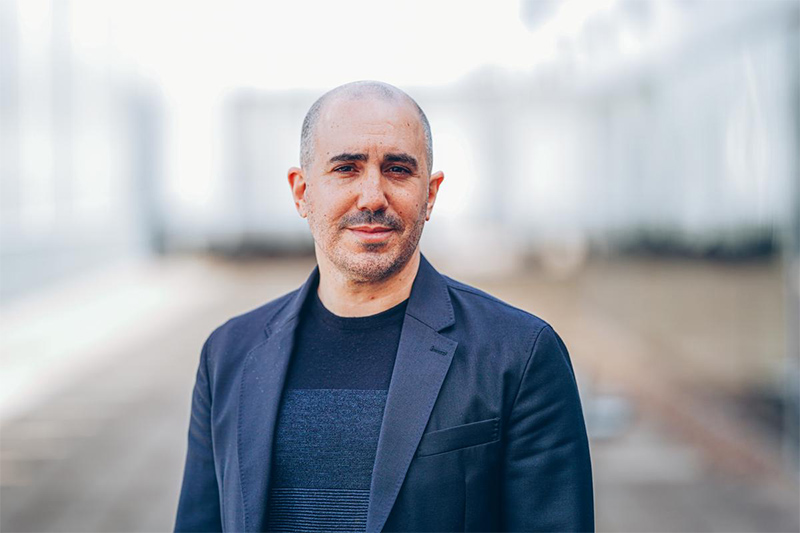
Behind the season’s success stands a leadership structure of vision and unwavering purpose. Chief Executive Officer Omar Berrada — one of the most strategically brilliant football executives in Europe — and Director of Football Jason Wilcox built a squad of genuine quality, ambition, and depth. Their summer recruitment was conducted with intelligence rather than panic. The electric Matheus Cunha arrived from Wolverhampton Wanderers for £62.5 million. Bryan Mbeumo joined from Brentford for £71 million, justifying every penny with his pace, movement, and clinical finishing. Benjamin Sesko arrived for £74 million, providing the physical presence and predatory goalscoring instinct United’s attack had long demanded. The teenage Paraguayan Diego Leon was secured from Cerro Porteño with exceptional long-term vision, and the peerless Bruno Fernandes was retained as captain — a statement of absolute intent. Yet the most inspired signing of all was goalkeeper Senne Lammens — the 23-year-old Belgian joined from Royal Antwerp on deadline day for £18.1 million, arriving on a five-year contract and widely regarded as the long-term successor to the legendary Thibaut Courtois for his country. Tall, composed, commanding, and blessed with reflexes of breathtaking precision, Lammens has been a revelation — bringing exactly the calm authority that the position demands at a club of United’s stature.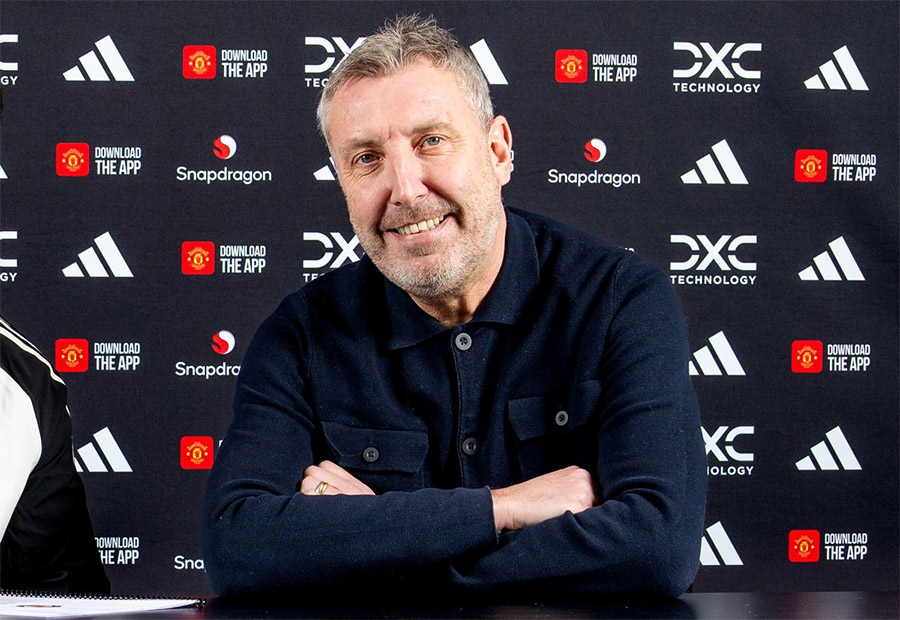
Manchester United stand among the most decorated institutions in the history of world football — winners of 20 top-division titles including a record 13 Premier League championships, 13 FA Cups, three UEFA Champions Leagues, the UEFA Europa League, the Cup Winners’ Cup, the Intercontinental Cup, and the FIFA Club World Cup. From the legendary Matt Busby and his brilliant Busby Babes to the incomparable Sir Alex Ferguson — who won 38 trophies across 26 seasons — these are the granite foundations upon which every player who pulls on the red shirt stands, and they are foundations that will endure for generations to come.
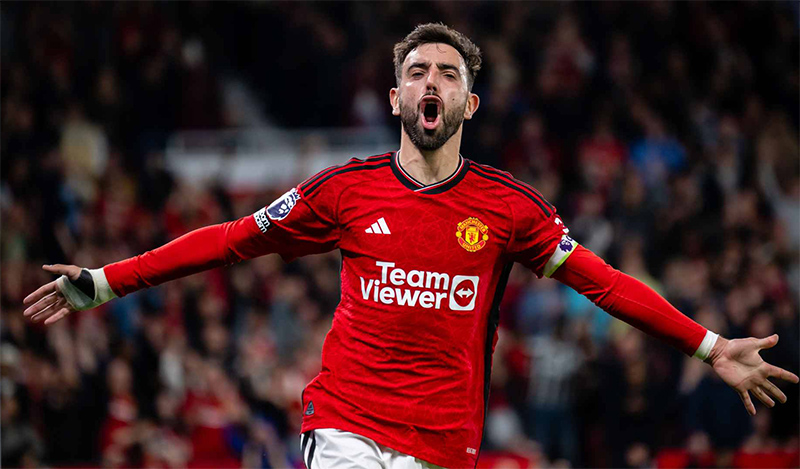
At the heart of everything United achieved stands the incomparable Bruno Fernandes, whose 20 assists dazzled the football world from first to last. Around him, the squad delivered with collective brilliance. Senne Lammens provided the goalkeeping foundation upon which everything was built. Matthijs de Ligt was commanding and elegant at centre-back. Noussair Mazraoui brought dynamism and directness on the right. Manuel Ugarte gave Fernandes the freedom to express his extraordinary gifts with tireless, combative excellence. The brilliant Kobbie Mainoo — a product of United’s own Academy, still only twenty years of age — conducted himself throughout with a maturity and authority that belies his years entirely, drawing comparisons with the finest midfielders this great club has ever produced and giving the Old Trafford faithful a homegrown talent of whom they can be enormously and justifiably proud. In the engine room of midfield, the colossal Casemiro provided the battle-hardened steel and commanding authority that transforms a good team into a great one — winning the ball with ferocious efficiency, protecting the back four with the instincts of a five-time Champions League winner, and inspiring everyone around him. Patrick Dorgu added infectious energy and versatility on the left, while Leny Yoro and Ayden Heaven announced themselves to the world with an assurance that speaks volumes for the quality of United’s Academy.
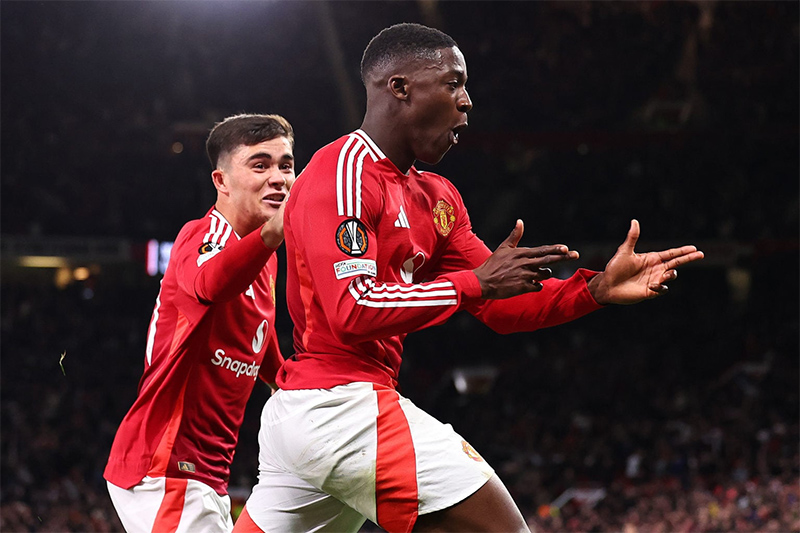 The 2025-26 season will be remembered as the season Michael Carrick came home. Appointed on the 13th of January and proceeded to deliver one of the most extraordinary managerial turnarounds English football has ever witnessed. In 16 league matches under his leadership, United won 11 and drew three — accumulating 36 points at an average of 2.25 per game, the equivalent of 85 points over a full Premier League season, a return greater than that of champions-elect Arsenal across the same period. His opening month included a 2-0 demolition of Manchester City at Old Trafford and a thrilling 3-2 victory at the Emirates against league leaders Arsenal, coming from behind to silence the Gunners and announce to the world that Manchester United were emphatically back. Carrick, characteristically humble upon receiving the Manager of the Month award, insisted the resurgence was a collective effort: “It’s nice and it shows that we’ve had a very good start, but let’s be honest, it’s not just about me really.” It was precisely the kind of quiet, selfless authority this club had been crying out for, and Omar Berrada and Jason Wilcox are understood to be fully aligned in their recommendation that Carrick be appointed permanent head coach — a decision that, if confirmed, would represent one of the most naturally correct appointments in the club’s long and storied history.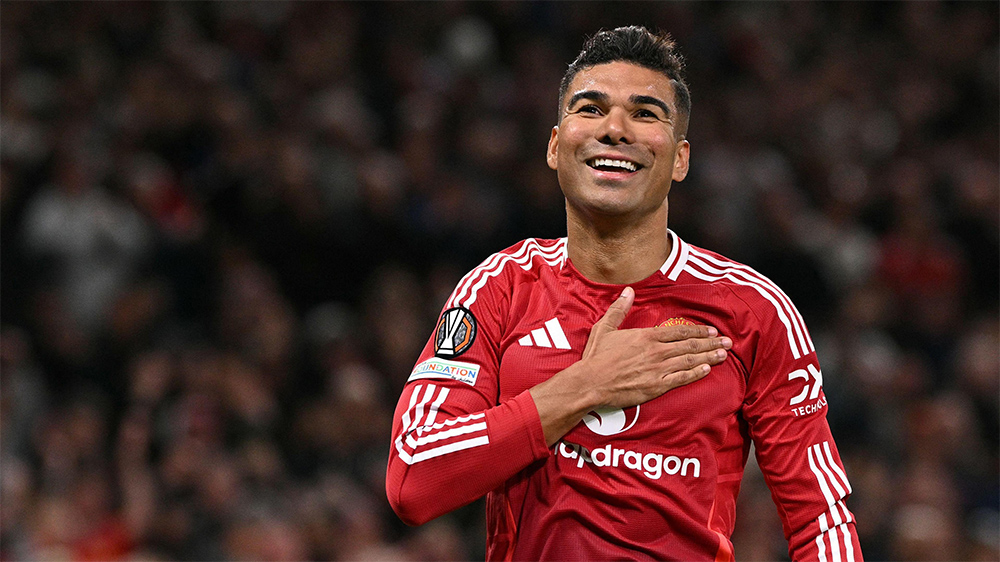
And then there was Casemiro. The great Brazilian midfielder made 161 appearances in a Manchester United shirt, scoring 26 goals, winning the FA Cup and League Cup, and becoming one of the most respected and beloved figures this club has known in the modern era. He recovered from a difficult period in 2024 to become a central and commanding figure in United’s push for Champions League qualification under Michael Carrick, his magnificent resurgence transforming the midfield in the second half of the season. Michael Carrick called him an absolute pleasure to work with, praising his leadership and professionalism in the highest possible terms. At the final home game of the season — a magnificent 3-2 victory over Nottingham Forest — 76,000 Old Trafford supporters rose as one to bid farewell to their warrior. Overwhelmed by emotion, Casemiro took the microphone and told the crowd: “I am grateful to everyone and hope you all do well. The best thing about Manchester United is you, the fans.” He later wrote to supporters: “There are places we pass through in life — and there are places that become part of who we are. Manchester will forever be my home.” There was not a dry eye in the Theatre of Dreams.
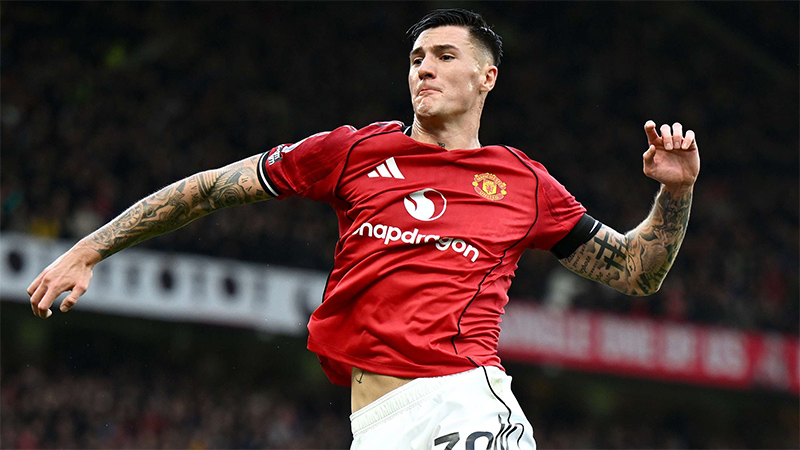 As this triumphant season draws to its close — with third place secured, Champions League football returning to Old Trafford, the Football Writers’ Player of the Season award claimed, a Manager of the Year nomination delivered, Casemiro’s farewell speech echoing forever in the hearts of those who were there, and a new era of unimaginable ambition taking shape on the horizon — there is something unmistakably alive again at this extraordinary club. The history is glorious. The present is thrilling. And the future stretches ahead with all the promise and possibility that has always, in the end, defined Manchester United.
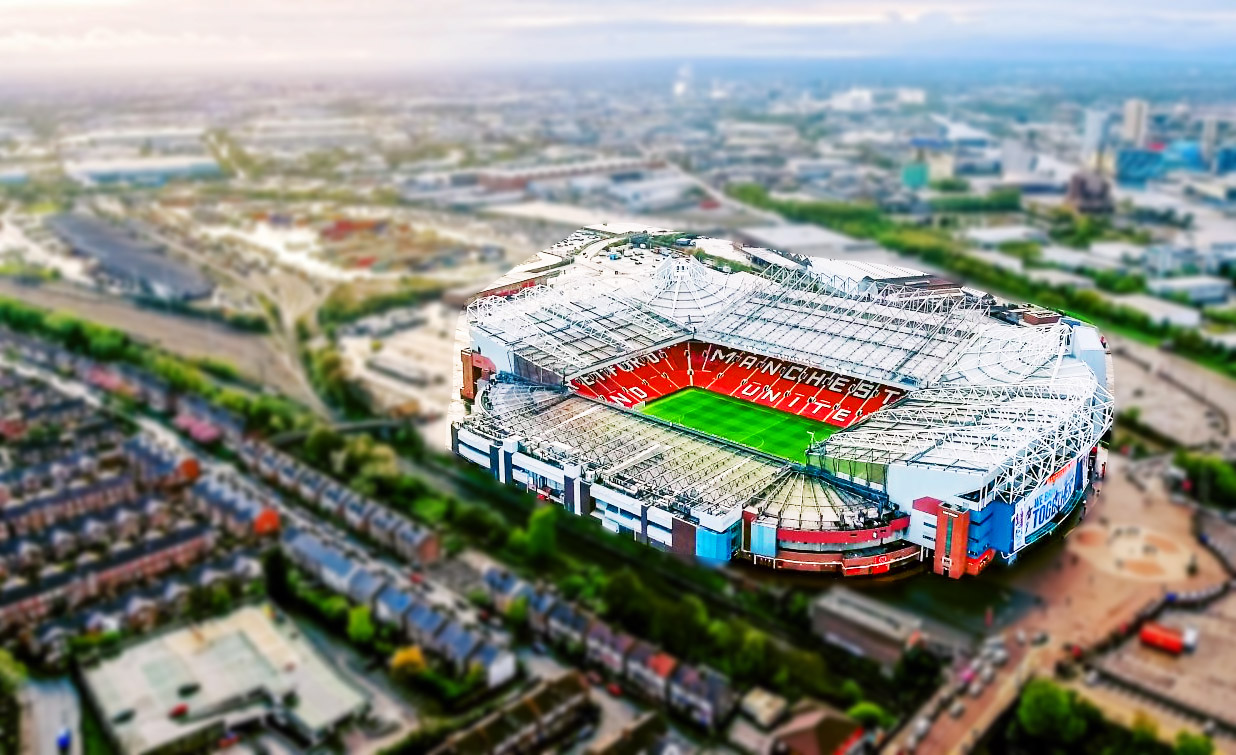
Old Trafford, often called the “Theatre of Dreams,” is the iconic home of Manchester United Football Club and one of the most legendary stadiums in world football. Opened in 1910, it has stood as a cathedral of the sport for over a century, witnessing unforgettable triumphs, historic matches, and the rise of some of the greatest players to ever grace the game. With a capacity of over 74,000 seats, it is the largest club football stadium in the United Kingdom, and its atmosphere on matchdays is famed for passion, unity, and a deep sense of tradition.
The stadium functions not only as the stage for Manchester United’s home games but also as a hub for tours, museums, events, and hospitality. Fans can explore the Manchester United Museum & Tour Centre, which showcases the club’s history, trophies, and stories of legends, providing an immersive journey into the soul of the club. Beyond football, Old Trafford has hosted international fixtures, concerts, and cultural events, reinforcing its role as a versatile landmark in British sport and culture.
Old Trafford’s impact goes beyond sport, serving as a symbol of Manchester’s resilience—rebuilt after sustaining heavy bomb damage during World War II—and as a beacon of football’s power to inspire community and global connection. Through the Manchester United Foundation, the stadium also plays a role in charitable outreach, supporting education, social mobility, and youth empowerment across Greater Manchester and beyond.
Its legacy is deeply intertwined with the history of Manchester United, from the Busby Babes to Sir Alex Ferguson’s dynasties, and continues to represent ambition, excellence, and pride. For millions of supporters around the world, Old Trafford is not just a stadium but a sacred home—a living monument to the beautiful game.



 Own or work here?