

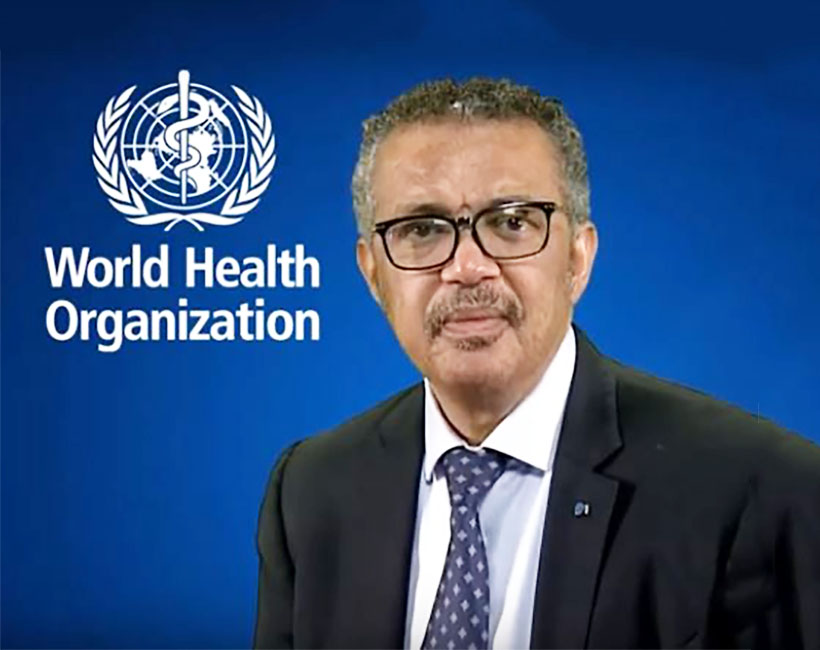
Dr. Tedros Adhanom Ghebreyesus is a transformative global leader and advocate for health equity, serving as the Director-General of the World Health Organization (WHO). Born in Asmara, Eritrea, in 1965, Dr. Tedros overcame early personal challenges to dedicate his life to public health and the well-being of humanity. A trained microbiologist and malaria researcher, he earned his Doctorate of Philosophy in Community Health from the University of Nottingham and a Master’s degree in Immunology of Infectious Diseases from the University of London, laying the foundation for a career defined by service and impact.
As Ethiopia’s Minister of Health from 2005 to 2012, Dr. Tedros spearheaded groundbreaking reforms, dramatically improving the country’s health system. He led efforts to expand access to healthcare, reduce child mortality, and combat diseases like malaria, HIV, and tuberculosis. Under his leadership, Ethiopia became a global model for health progress, with millions gaining access to life-saving services. His innovative approaches continued as Minister of Foreign Affairs, where he championed international collaboration and sustainable development, further solidifying his reputation as a visionary leader.
Since becoming WHO’s Director-General in 2017, Dr. Tedros has guided the organisation through some of the most challenging health crises of our time, including the COVID-19 pandemic. His tenure has been marked by a relentless commitment to universal health coverage, equity, and preparedness. Dr. Tedros’s inspiring leadership transcends borders, reminding the world that health is a fundamental human right and that through unity and compassion, global health challenges can be overcome.
The World Health Organization (WHO) stands as a symbol of global unity and dedication to improving the health and well-being of all people. Established in 1948 as a specialised agency of the United Nations, the WHO’s mission is to promote health, keep the world safe, and serve the vulnerable. With 194 member states and offices in over 150 countries, the organisation works tirelessly to combat disease, respond to health emergencies, and strengthen healthcare systems worldwide.
The WHO has been at the forefront of many of humanity’s greatest public health achievements. It played a pivotal role in eradicating smallpox, launching worldwide immunisation campaigns, and advancing the fight against diseases like malaria, polio, and HIV/AIDS. The organisation has consistently championed universal health coverage, ensuring that healthcare is accessible to all, regardless of location or income, and has remained a beacon of hope for millions facing health inequities.
In times of global crisis, the WHO has proven to be an essential force for coordination and action. Its leadership during health emergencies, such as the COVID-19 pandemic, underscores its critical role in uniting nations to combat shared challenges. With a commitment to science, collaboration, and compassion, the WHO continues to inspire and lead efforts to build a healthier, safer, and fairer world for all.



 Own or work here?