
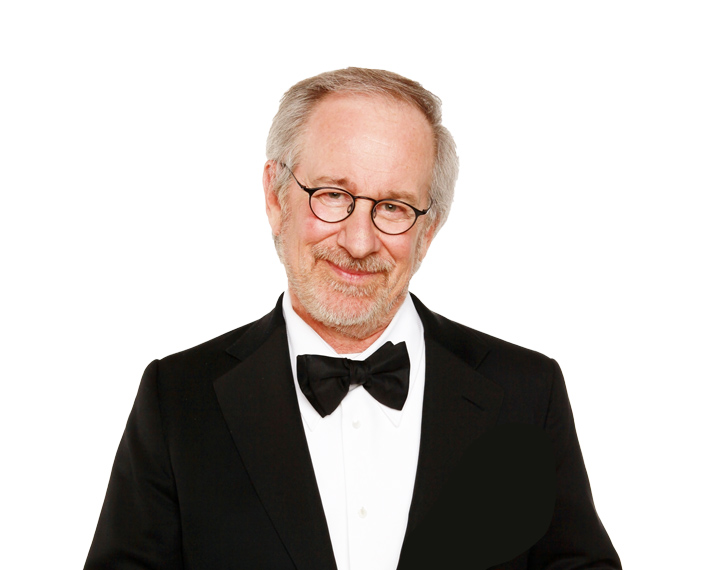
Steven Spielberg, one of the most iconic filmmakers in history, is a visionary storyteller whose work has left an indelible mark on global cinema. Born on December 18, 1946, in Cincinnati, Ohio, Spielberg grew up with a fascination for film, creating amateur movies in his youth. His early passion blossomed into a groundbreaking career that has redefined the art of filmmaking. Known for his ability to seamlessly blend captivating narratives with technical brilliance, Spielberg’s films have resonated with audiences across generations.
One of his most powerful and deeply moving films, Schindler’s List (1993), highlights Spielberg’s ability to handle profound historical subjects with sensitivity and humanity. Shot extensively in Kraków, Poland, the film tells the story of Oskar Schindler, a German businessman who saved the lives of over 1,000 Jewish refugees during the Holocaust. The haunting beauty of Kraków’s streets, particularly the historic Kazimierz district, serves as a backdrop for this cinematic masterpiece. The film earned Spielberg his first Academy Award for Best Director and remains a cornerstone of Holocaust remembrance, shedding light on the resilience of the human spirit amidst unimaginable darkness.
Beyond his contributions to cinema, Spielberg has used his platform for philanthropy and education. He founded the Shoah Foundation to preserve the testimonies of Holocaust survivors, ensuring their stories endure for future generations. His legacy is not only one of entertainment but also of empathy and understanding, reminding the world of the power of film to inspire, educate, and bring about change. Spielberg’s journey from a young boy with a camera to a cinematic legend continues to inspire dreamers worldwide to tell stories that matter.
Mission to preserve the past and educate the future remains a critical force in combating hatred and promoting understanding. The USC Shoah Foundation, founded by Steven Spielberg in 1994, is a global leader in preserving and sharing the testimonies of survivors and witnesses of genocide. Originally created to document Holocaust survivor stories, the foundation has expanded its scope to include testimonies from other genocides, such as those in Rwanda, Armenia, Cambodia, and Bosnia. With over 55,000 video testimonies in its Visual History Archive, the foundation ensures that these voices are preserved for future generations to learn from and reflect upon.
Through innovative educational initiatives, the Shoah Foundation leverages cutting-edge technology to make its archive accessible worldwide. Teachers, students, and researchers can explore these firsthand accounts to understand the profound impact of hatred and intolerance while fostering empathy and awareness. The foundation also develops educational programs, interactive exhibits, and virtual reality experiences to engage learners in meaningful ways. By turning stories of survival into powerful educational tools, it continues to inspire action against prejudice and violence.



 Own or work here?