

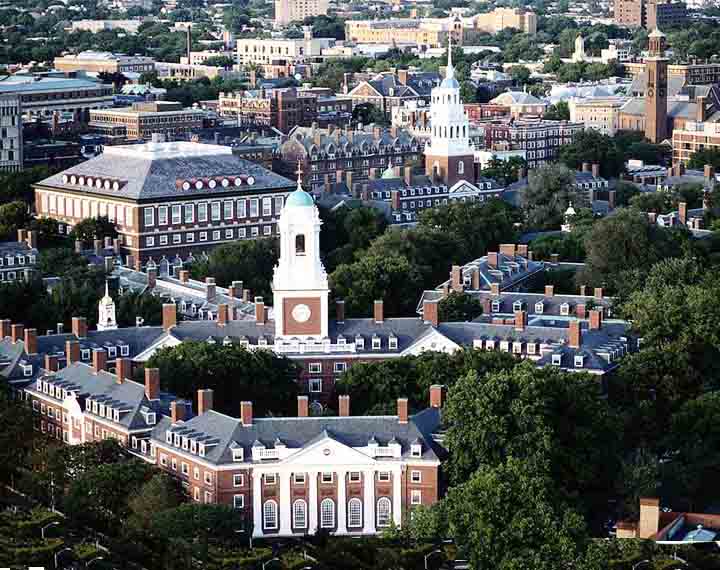
Harvard University stands as one of the most renowned centers of learning in the world, known not only for its academic excellence but also for its cultural, historical, and social influence. Founded in 1636, it is the oldest institution of higher education in the United States, originally established to train clergy for the Puritan colony. Over time, Harvard has transformed into a global beacon of knowledge, producing leaders, thinkers, and innovators who have shaped politics, science, law, business, and the arts.
The university’s primary function is to provide world-class education and research opportunities across a vast spectrum of disciplines. With its schools spanning law, medicine, business, design, public health, and government, Harvard nurtures both undergraduate and graduate students in an environment that emphasizes intellectual curiosity and critical thinking. Its impact is far-reaching: countless Nobel laureates, U.S. presidents, and global pioneers have studied or taught within its walls, advancing society in fields ranging from medicine to diplomacy.
Beyond academics, Harvard is deeply engaged in charitable and community initiatives. Through the Harvard University Center for Public Service and Engaged Scholarship, and partnerships like the Phillips Brooks House Association, the university encourages students and faculty to give back through service, philanthropy, and social innovation. Harvard also provides extensive financial aid, ensuring that students from all economic backgrounds can access its opportunities—its need-based aid model is often cited as one of the most generous in the world.
Harvard’s legacy lies not only in its historic architecture and libraries, but also in its enduring pursuit of truth, leadership, and service to humanity. It symbolizes the power of education to transform lives, inspire change, and preserve the values of inquiry and progress for generations to come.



 Own or work here?