

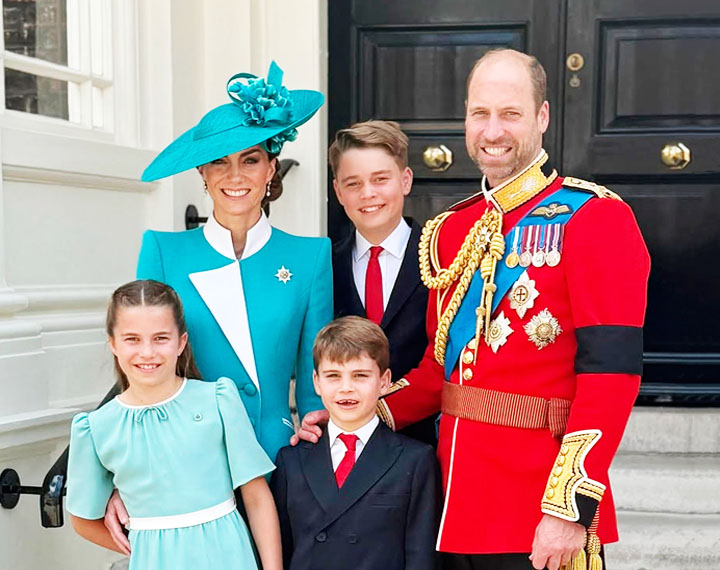
TRH The Wales family, led by HRH’s Prince William, the Prince of Wales, and HRH Catherine, the Princess of Wales, radiates a spirit of compassion, unity, and unwavering dedication to service. As a modern royal family, they exemplify not only leadership but also a deep sense of care, love, and generosity that resonates with people across the United Kingdom, the Commonwealth and around the world.
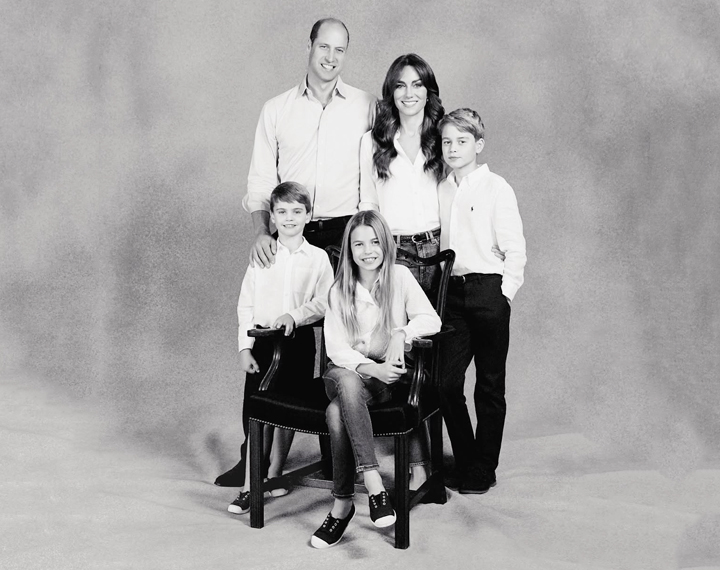
HRH Prince William, inspired by the enduring legacy of his late mother, Princess Diana, has committed his life to addressing critical global issues with empathy and action. His leadership of initiatives like the Earthshot Prize reflects not just a vision for a sustainable future but a heartfelt determination to uplift humanity and the planet. His genuine concern for those in need is a cornerstone of his character.
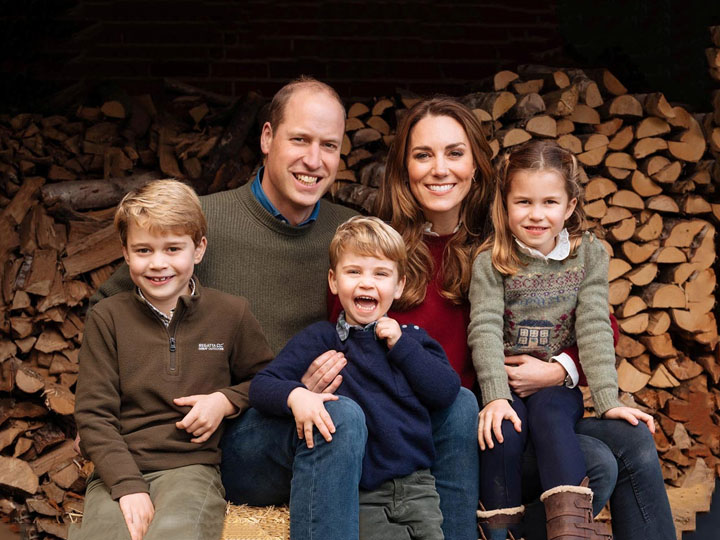
HRH Princess Catherine, with her warm and gracious presence, is a champion for early childhood development, mental health, and the arts. Her work through the Royal Foundation Centre for Early Childhood highlights her loving and nurturing approach, emphasising the profound impact of care and attention in shaping brighter futures for children and families.
Their three children, HRH’s Prince George, Princess Charlotte, and Prince Louis, bring joy and hope, embodying the family’s commitment to raising the next generation with compassion, humility, and a strong moral foundation. The Wales family’s caring, loving, and giving nature inspires millions, reminding us of the transformative power of kindness, resilience, and a heartfelt commitment to building a better, more inclusive world for all.
After founding The Royal Foundation, The Prince of Wales has led our work to bring lasting change on disrupting the illegal wildlife trade, tackling mental health stigma, supporting our emergency service community and leading a global search for solutions to save our planet through The Earthshot Prize.
The Prince of Wales is the Heir to the throne and the elder son of His Majesty The King and Diana, Princess of Wales. His Royal Highness is married to The Princess of Wales, Catherine, with whom he has three children, Prince George, Princess Charlotte and Prince Louis. The family’s official residence is Adelaide Cottage, Windsor. His Royal Highness undertakes a number of charitable activities and projects and carries out public and official duties in support of The King, in the UK and overseas.
The Princess of Wales has worked to support the youngest people in society, focused on families, addiction, mental health, and is currently leading our work to elevate the status of the Early Years to its rightful place as one of the most vital and strategic issues of our time through The Royal Foundation Centre for Early Childhood.
The Princess of Wales, born Catherine Elizabeth Middleton, married Prince William, The Prince of Wales, at Westminster Abbey in April 2011. Their Royal Highnesses have three children, Prince George, Princess Charlotte and Prince Louis. The family’s official residence is Kensington Palace. As well as undertaking royal duties in support of The King, both in the UK and overseas, Her Royal Highness devotes her time to supporting a number of charitable causes and organisations, several of which are centred around providing children with the best possible start in life.
The Royal Foundation mobilises leaders, businesses and people so that together we can address society’s greatest challenges. Led by The Prince and Princess of Wales, our work is built on world-class research, long-term partnerships, and measurable, scalable impact.
Driven by a desire to make a difference together, The Royal Foundation is the primary philanthropic and charitable vehicle for The Duke and Duchess of Cambridge. Our programmes support a broad and ambitious spectrum of activities, bringing people, ideas and resources together to understand issues, explore creative solutions and be a catalyst for long-term impact.
Inspired by the bold vision of HRH Prince of Wales, The Earthshot Prize is a beacon of hope and a powerful call to action for our planet. Taking a cue from President John F. Kennedy’s “Moonshot” challenge, the Prize is designed to find and scale groundbreaking solutions to the world’s most pressing environmental problems by 2030. It’s a decade-long initiative that flips the narrative from despair to “urgent optimism,” proving that with collective ingenuity and a shared purpose, we can build a better, more sustainable future for everyone. By celebrating the innovators, activists, and leaders who are on the front lines of change, the Prize reminds us that the power to repair our world lies within our hands.
At the heart of this global movement are five “Earthshots”—simple yet ambitious goals like “Fix Our Climate” and “Protect and Restore Nature.” Each year, five winners, one for each Earthshot, are awarded a £1 million prize to accelerate their work and bring their solutions to the global stage. But the Prize is about more than just a financial reward; it’s about building a dynamic community of change-makers and providing them with a platform to inspire millions. The Earthshot Prize is a testament to what’s possible when we choose innovation over inertia and action over apathy, showing the world that even the greatest challenges can be overcome with courage and a spirit of collaboration
Our early childhoods, the time from pregnancy to five, fundamentally shape our whole lives. Through research, campaigns and collaboration The Royal Foundation Centre for Early Childhood is working to change the way we think and act on the early years so that together we can build a happier, healthier, more nurturing world. The Centre will drive awareness of, and action on, the extraordinary impact of the early years, changing what we think and do on early childhood, in order to transform society for generations to come. The Centre will focus on three key areas of activity in the years to come:
The Centre will focus on collaborating with people from across the private, public and voluntary sectors and from all walks of life to bring about positive change. In the UK, children and families are supported by a passionately committed and professional workforce, including midwives, GPs, health visitors, childcare workers and educators. The Centre will work to capitalise on an opportunity to build a world-leading early years sector, which can only be achieved through collaboration. Across professions, departments and regions, a joined-up approach to the early years offers huge potential gains for society.
The inaugural report from the Centre for Early Childhood, titled Big Change Starts Small, highlights six areas where there is an opportunity to make a difference:
1) Raising awareness of the extraordinary impact of the early years
2) Building a mentally healthier and more nurturing society
3) Creating communities of support
4) Strengthening the early years workforce
5) Putting the data to work for early years
6) Supporting long-term and inter-generational change
Building on this knowledge, the Centre will focus on developing creative campaigns to raise awareness and inspire action, driving real, positive change on the early years.
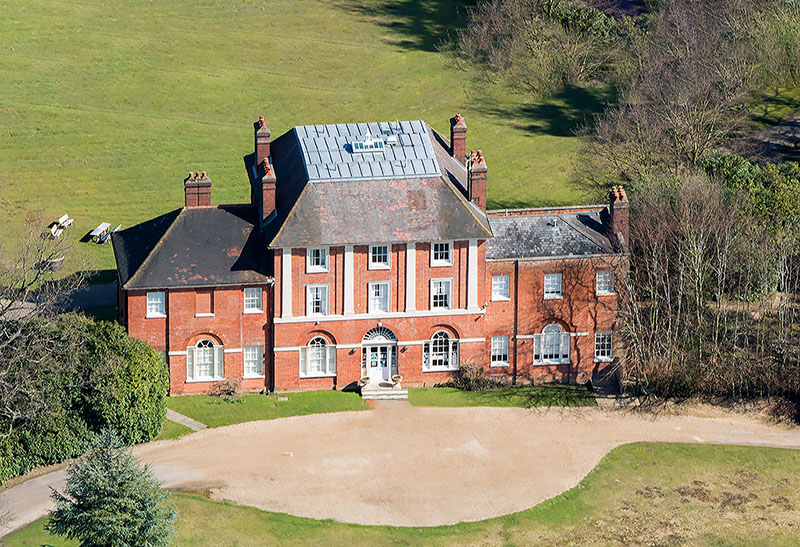
Forrest Lodge, situated within the historic expanse of Great Windsor Park, stands as a distinguished example of England’s rich architectural and cultural heritage. Nestled amidst the parkland that has been shaped over centuries, the lodge reflects both the traditions of royal estate management and the evolution of country house design in Britain. Its origins trace back to the era when Great Windsor Park served as a vital part of the royal hunting grounds and the administrative landscape surrounding Windsor Castle. Over time, Forrest Lodge has been carefully maintained, combining classical architectural features with the practical needs of estate living, offering insight into the lifestyles of those entrusted with managing and preserving royal lands. Today, the lodge continues to embody the intersection of history, natural beauty, and the enduring legacy of Windsor Park, serving as a tangible link to the United Kingdom’s storied past.
Conceived as a functional yet elegant residence within the bounds of Great Windsor Park, Forrest Lodge was originally designed to accommodate estate officials and guests associated with the royal household. Its construction reflects the careful planning typical of royal park lodges, emphasizing both durability and harmony with the surrounding landscape. Over the decades, the lodge has witnessed numerous adaptations, responding to the evolving needs of the park while retaining its historical character. Its location within the park afforded both privacy and a strategic vantage point, enabling close oversight of park activities, from gamekeeping and forestry management to hosting visiting dignitaries and coordinating ceremonial events.
The lodge today offers a range of facilities that balance historical preservation with modern utility. Internally, it features period-inspired architecture, including wood-paneled rooms, traditional fireplaces, and elegant detailing that reflect its heritage. Externally, the grounds encompass landscaped gardens, access to the surrounding woodland, and proximity to the park’s network of walking trails, making it both a functional estate property and a point of interest for visitors studying the heritage of Windsor Park. Its enduring role has been to support the management of the park, provide accommodation for staff and guests, and act as a representative building within the larger framework of the royal estate, illustrating the continuity of British country house tradition into the present day.



 Own or work here?